Making Homemade Chicken Stock

Love your chicken to the bones by turning leftovers into broth.


Chicken stock is made by boiling chicken or chicken bones in water. If stock is not available, you may substitute with bouillon cubes dissolved in water. Follow package instructions for recommended proportions.


Stock tip  Make a big batch and freeze it in 1-liter plastic containers. Just pull out as the need arises!


1 Wash chicken bones and put in a stockpot.


2 Pour enough water to cover the meat. Bring to a boil for 5 minutes and drain to remove blood and other impurities from the stock. Pour remaining water and simmer.


3 In a saute pan, put 2 tablespoons butter. Saute onion and celery, about 3 minutes. Add white wine and cook off alcohol on high temperature. dd the sauteed vegetables to the simmering chicken bones in the stockpot. Simmer for 2 hours.


4 In a cheesecloth sachet, gather together bay leaf, thyme, peppercorn, parsley stems, and cloves. Tie it up, and dunk sachet in the stockpot. Scoop out the chicken bones. Strain stock using a couple of layers of cheesecloth.


How to Stir-Fry

It's all about high temperature, technique, and speed. Here's how to work the wok in 4 steps.


1 Heat oil to almost smoking point. Use oil that heats up fast, like peanut oil or sesame oil. When hot, stir-fry aromatics like garlic, onion and ginger until fragrant.


2 Put in other ingredients according to their approximate cooking times. Meat like sausages should come first before vegetables. For seafood, order should be mussels/clams, fish, shrimp, squid, then scallops.


3 Add your sauce when the vegetables are about two-thirds done. If the food will take longer to cook, cover and let it steam until done.


4 Add herbs last.


How to Make Yogurt

Did you know that yogurt is incredibly easy to make at home? It’s so much cheaper too. Follow these steps to creamy, dairy bliss!


PART 1 of 2: Heating the milk

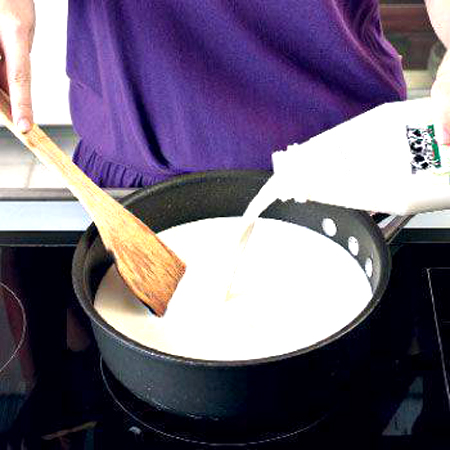
Step 1 of 3 Pour 2 liters of fresh milk into a large lidded saucepan and heat until bubbles form around the edges.


Step 2 of 3 Place the pan on top of a prepared ice bath and stir gently to cool the milk down. Do this until you can dip a finger in the milk and comfortably hold it for 5 seconds.


Step 3 of 3 Ladle some of the warm milk into a bowl containing 1/2 cup plain yogurt (use a brand that contains live micro-organisms). Whisk the milk into the yogurt then add it to the saucepan with the rest of the milk.


PART 2 of 2: Fermenting the yogurt

Step 1 of 3 Preheat oven to 150F, moving the rack to its lowest position. Place the lid on the saucepan. Take a large towel or small blanket and wrap it around the pan to preserve its warmth. Secure with large pins, if necessary.


Step 2 of 3 If you don't have an oven, you can also divide the milk mixture evenly among several jars, top with lids, and store them in a cooler filled with piping hot water.


Step 3 of 3 Turn off the oven and place the pan inside. Whether using the oven or cooler method, let the yogurt rest for 6 hours. (Like it tart? Let it rest overnight.) Once it's set, you can strain it, then chill and enjoy.


How to Separate an Egg

Here's how to separate the egg yolk and egg white in 3 easy steps.

Crack the egg on the side of a bowl. Gently slide the yolk from half-shell to half-shell, letting whites leak into the bowl.


Set a slotted spoon over a bowl. Crack a super fresh egg over the spoon, letting the whites fall through the slots.


This twist on the slotted spoon method replaces the spoon with your hand, egg whites falling through your fingers.